Astranis Space Technologies
Astranis manufactures small satellites for high orbits. As of 2025, Astranis operates 5 MicroGEO satellites on orbit with a further 5 launching soon. Over the past 5 years, I’ve worked on various satellite programs at Astranis ranging from the Block 2 “From One to Many” mission to the next generation Omega Satellite platform
This page will highlight some of my contributions. All images posted here are freely available on the internet.
Block 2 Spacecraft
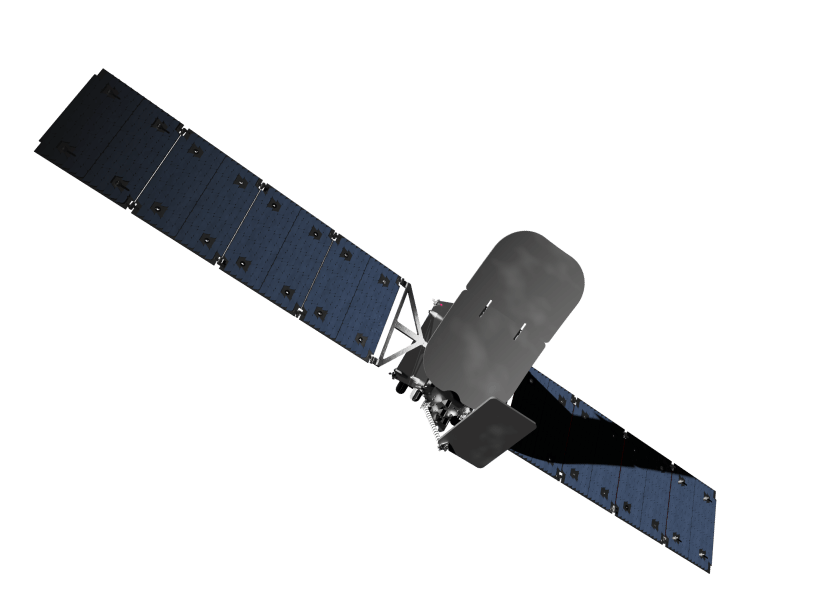
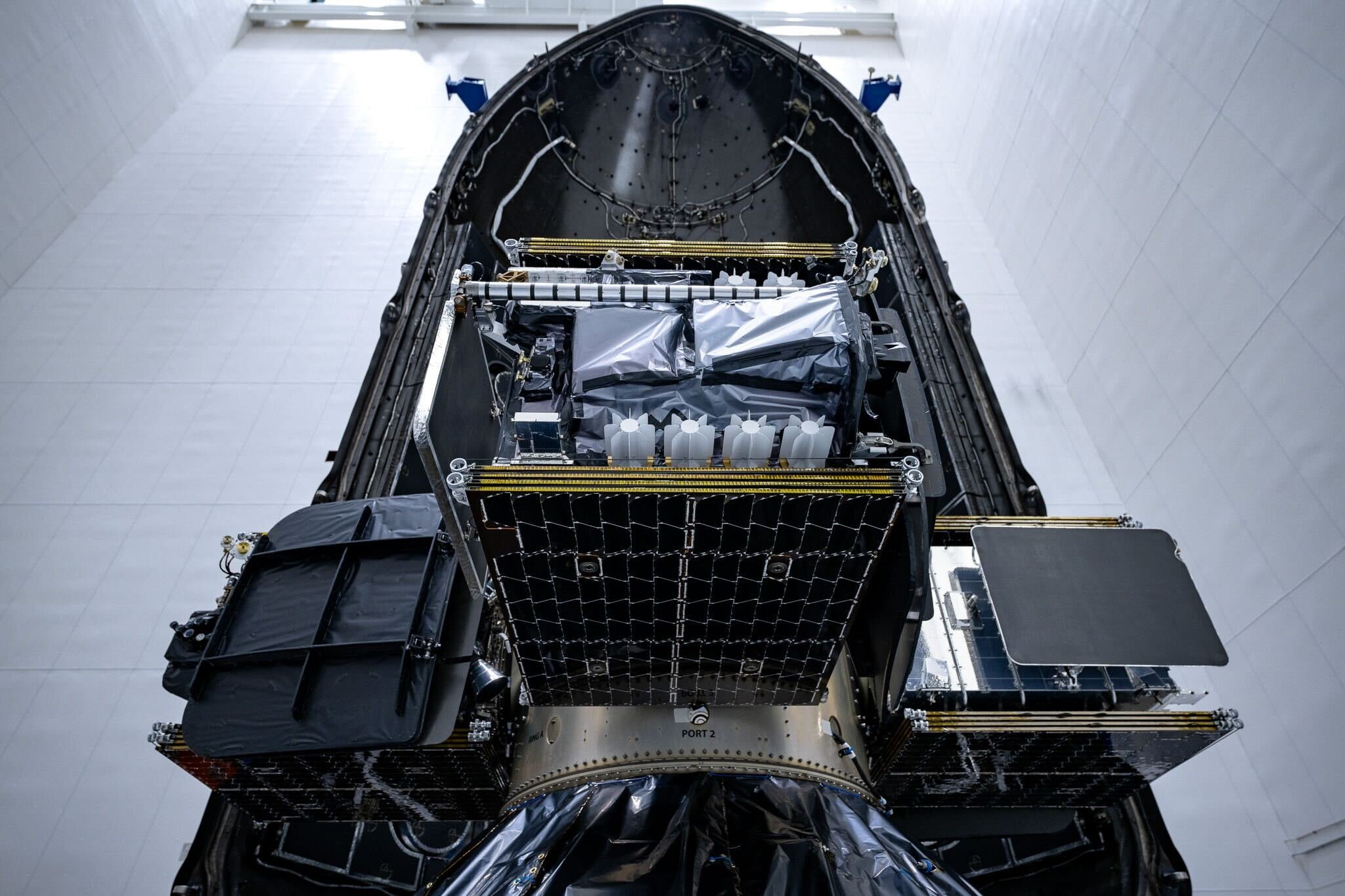
Astranis Block 2 featured 4 nearly identical spacecraft. When folded up for launch, each spacecraft is about one cubic meter in size. Compared to the first Astranis MicroGEO satellite, the Block 2 spacecraft have several changes to improve performance and reliability.
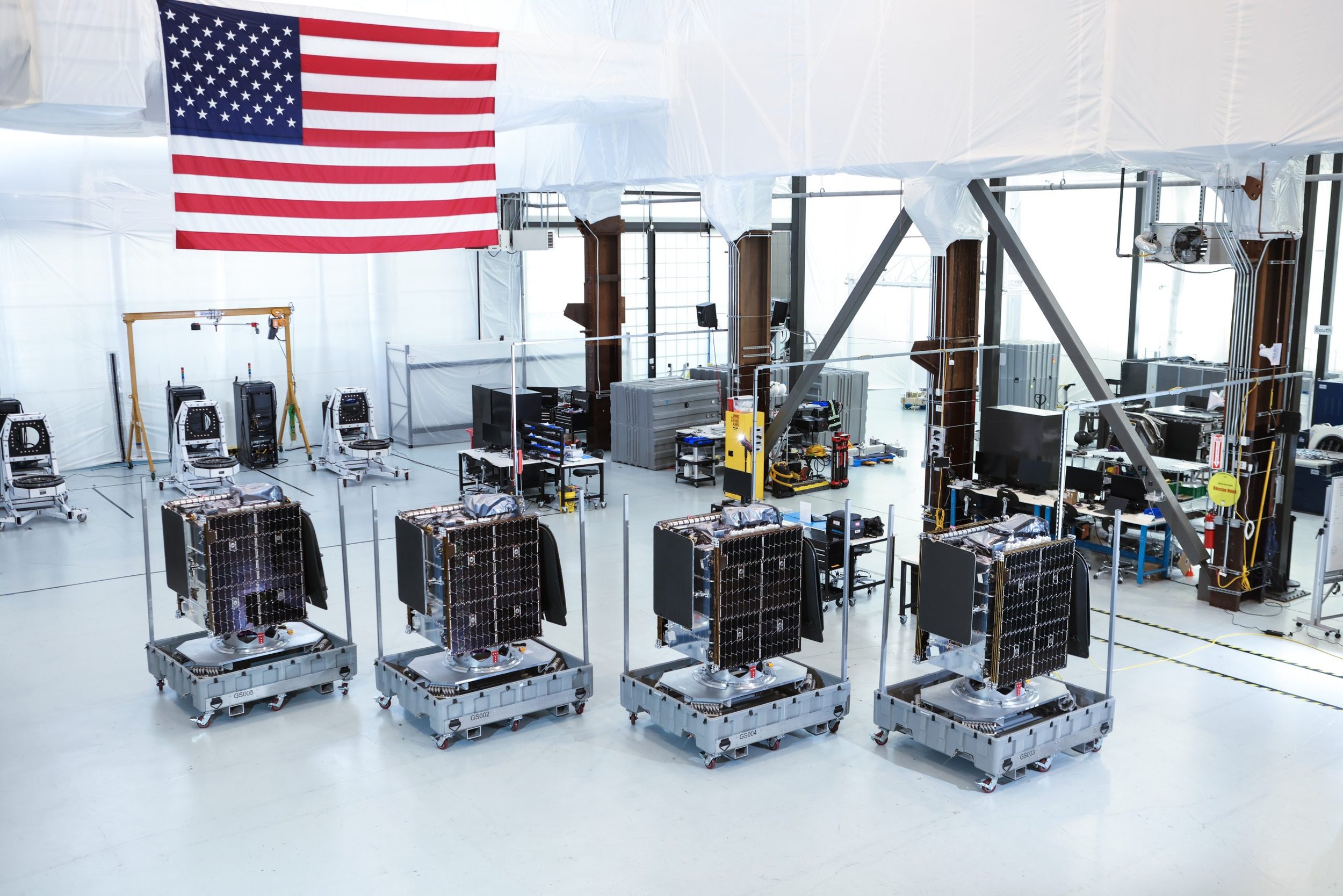
The four fully assembled Block 2 spacecraft awaiting shipment to Florida for launch in late 2024
My main contribution for Block 2 was the deployable main antenna. This is a two piece carbon composite clamshell design that unfold to be approximately twice the area as the first MicroGEO satellite. This antenna sees an extreme thermal environment when in space but must maintain its shape to ensure that customers on the ground see the same service quality year round. Ground testing in thermal vacuum chambers simulated these extreme temperature swings and certified this design for flight.
I designed the deployment mechanism and shepherded the entire antenna through qualification, production, and operational deployment on orbit.
All four main antennas deployed flawlessly approximately 1 week after launch and are operating nominally on station today. Below is a quick marketing video highlighting the deployable main antenna.
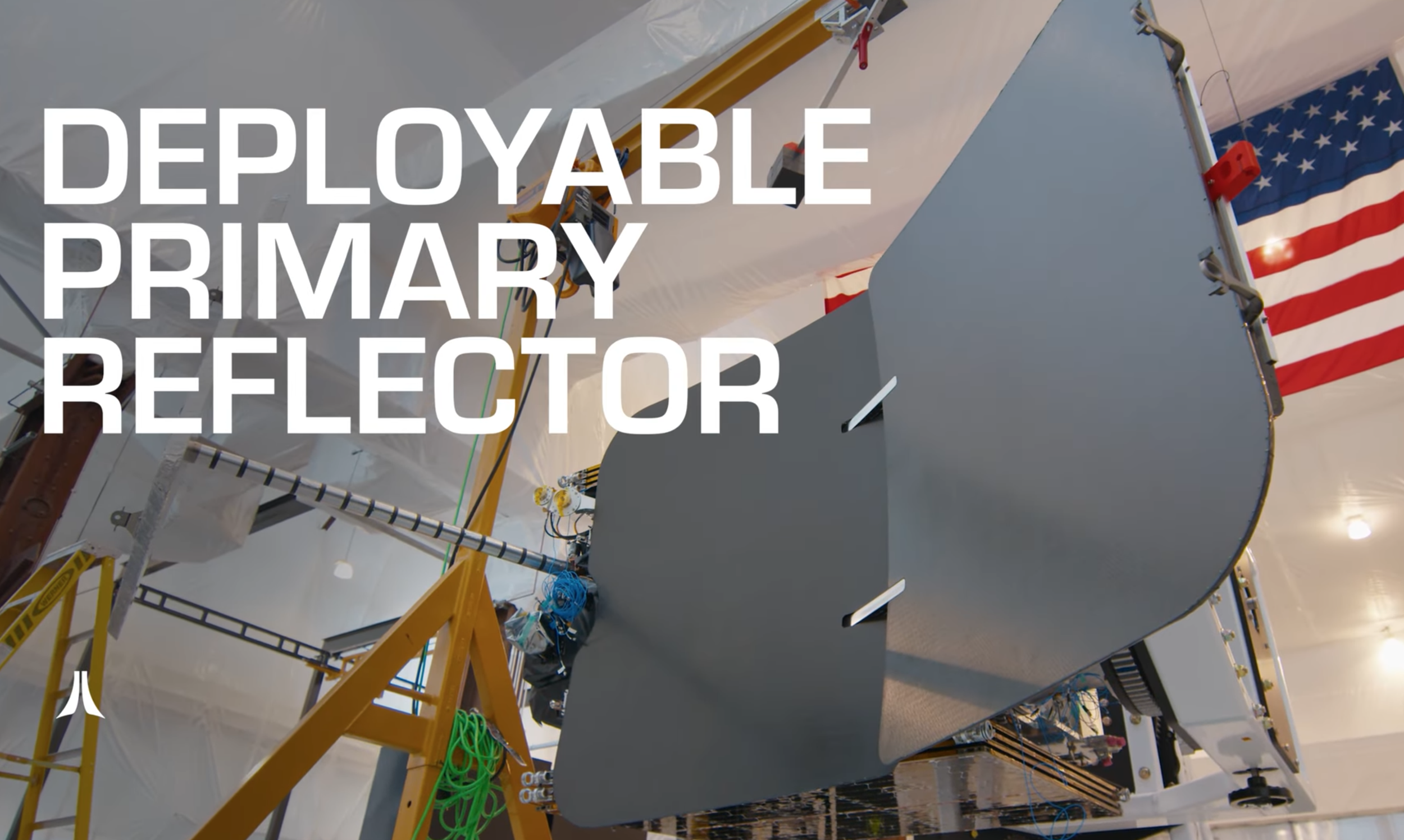
The Block 2 antenna undergoing a ground deployment test. The antenna is designed to operate in zero gravity so I designed overhead off-weighting to support the antenna for deployment testing in 1G.
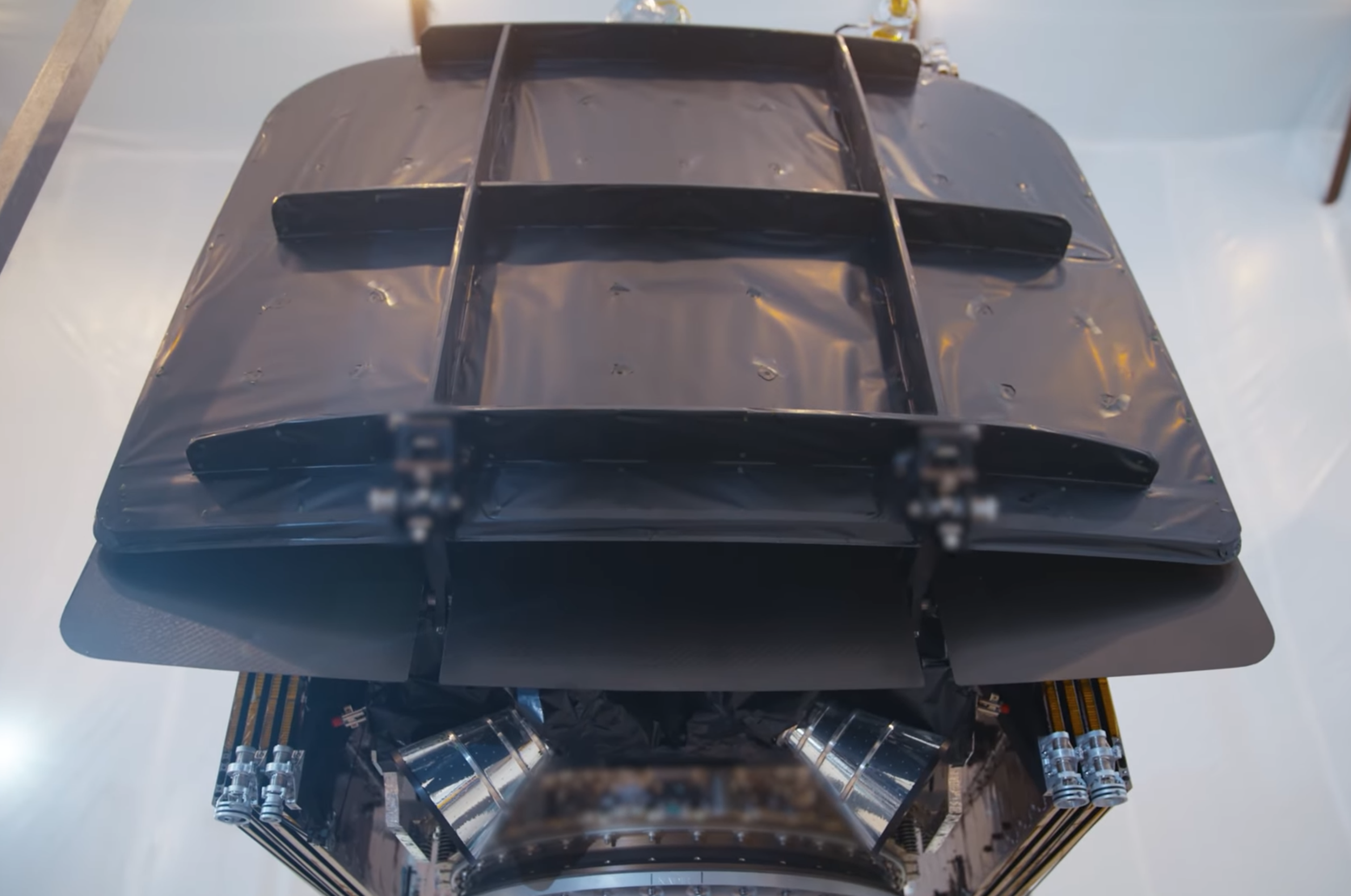
A view of the stowed Block 2 Antenna. The two blurred areas in the center of the image are the two deployment hinges that I designed.
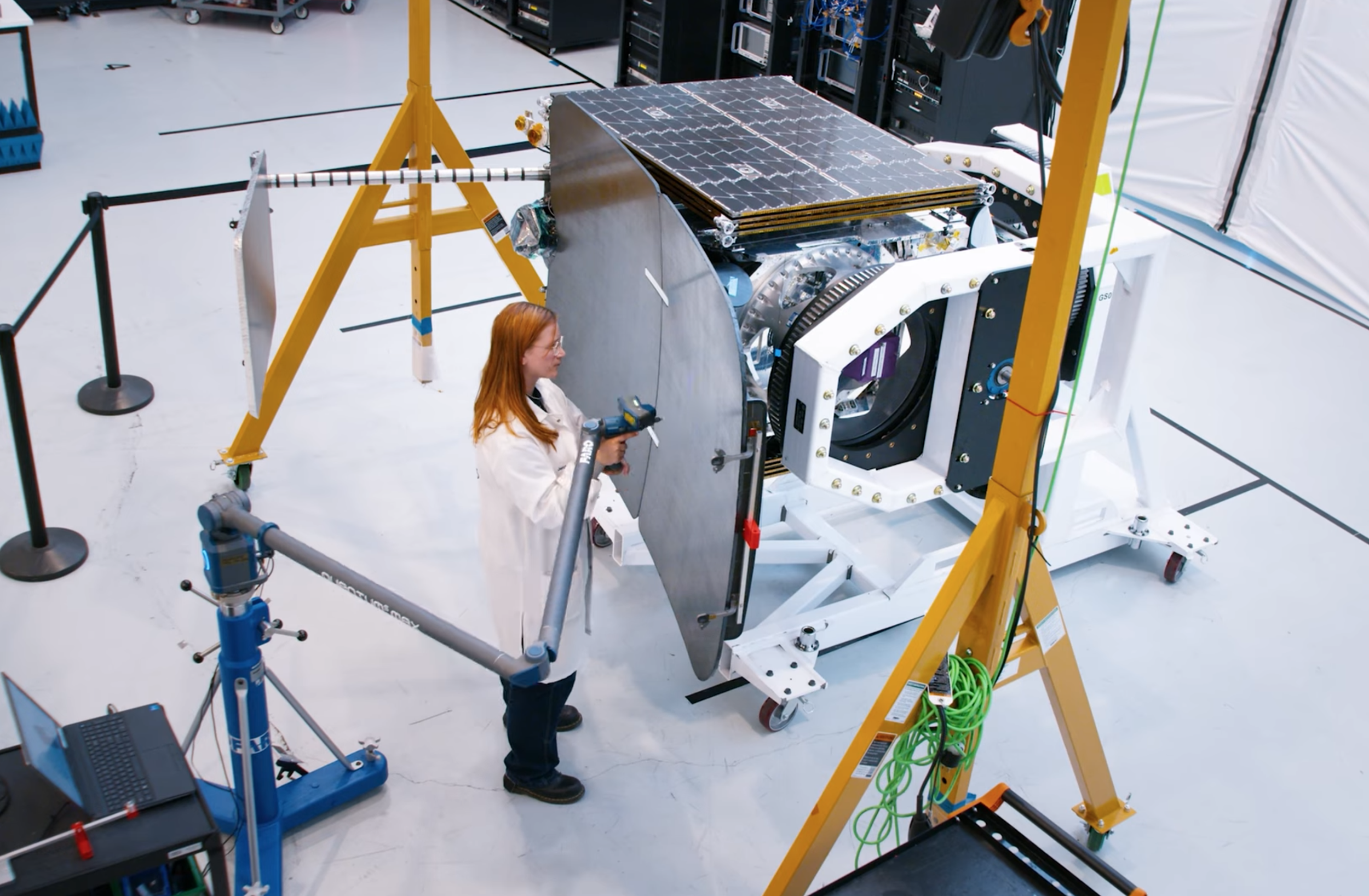
The main reflector must deploy with millidegree accuracy. In this image, we are measuring the deployed antenna surface with a laser scanner to ensure the alignment of all the critical components in the antenna chain.
Omega Spacecraft
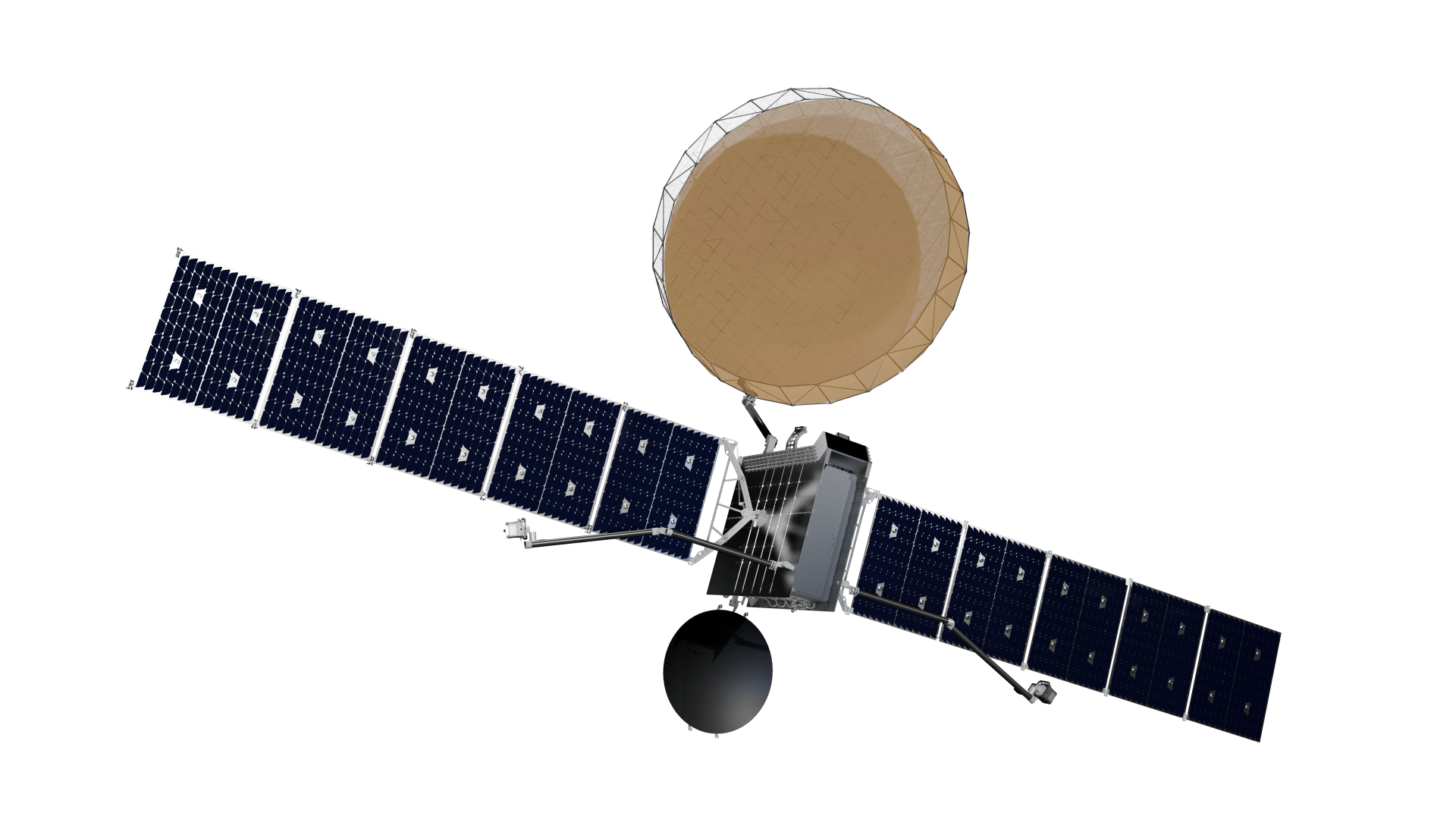
Omega is the next generation satellite program at Astranis. It features various innovation to both increase the performance and manufacturability of the satellite. It is designed for a higher production rate of up to two satellites per month, which is an order of magnitude faster than current Astranis satellites.
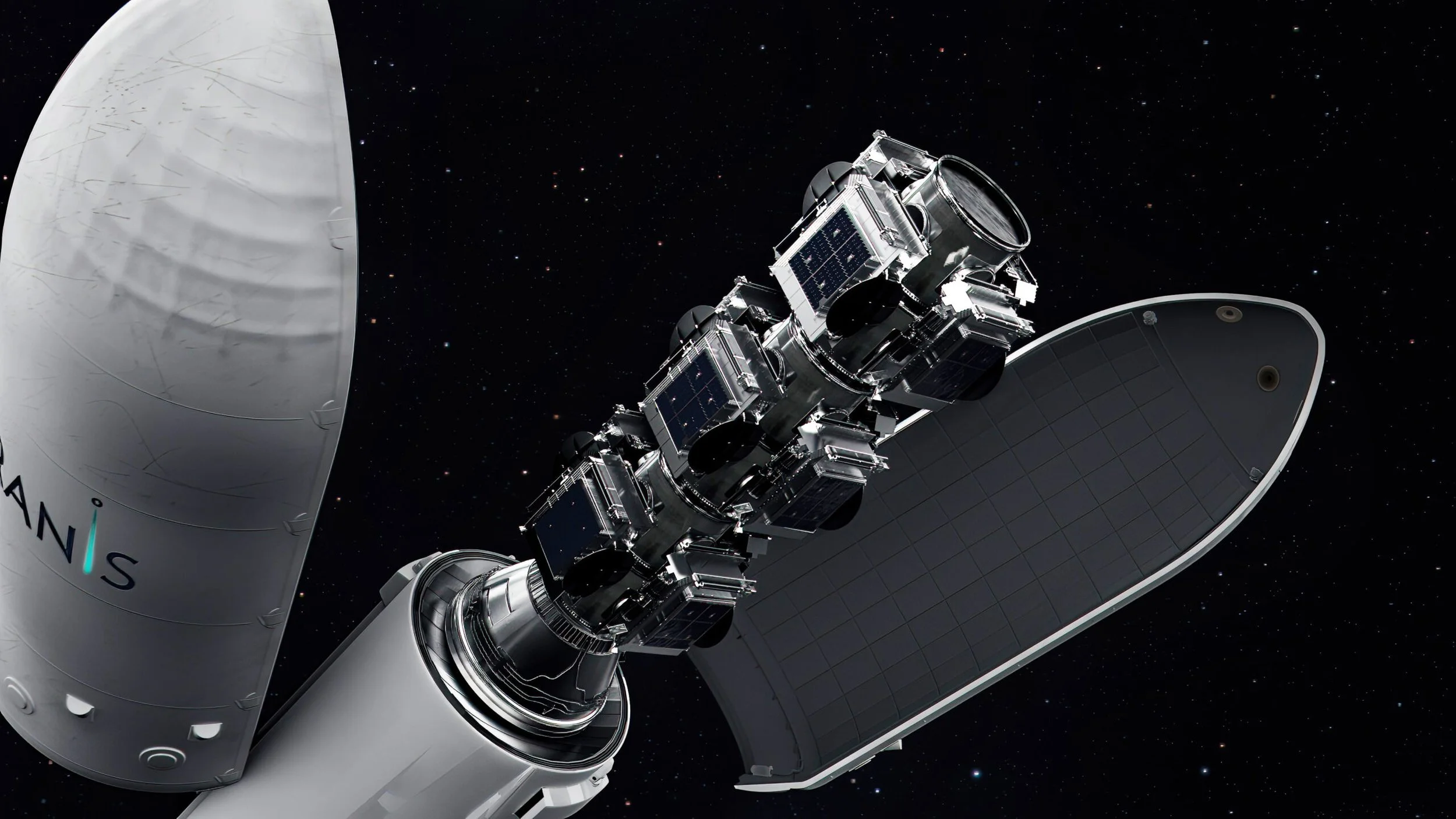
Rendering of 12 Omega Spacecraft in launch configuration
In addition to a large mesh reflector, Omega uses a smaller rigid gimballed reflector, enabling high throughput and expanded coverage areas.
My main contribution to Omega has been the design of this carbon fiber composite reflector and the gimbal mechanism that precisely points this reflector.
Gen 1 Star Trackers
At Astranis, I was also the responsible engineer for the Star Trackers for the Block 2 MicroGEO Spacecraft. Star Trackers are just fancy cameras which can image the stars and report back to the flight computer the precise orientation of the satellite. These cameras have very tight pointing and thermal requirements.
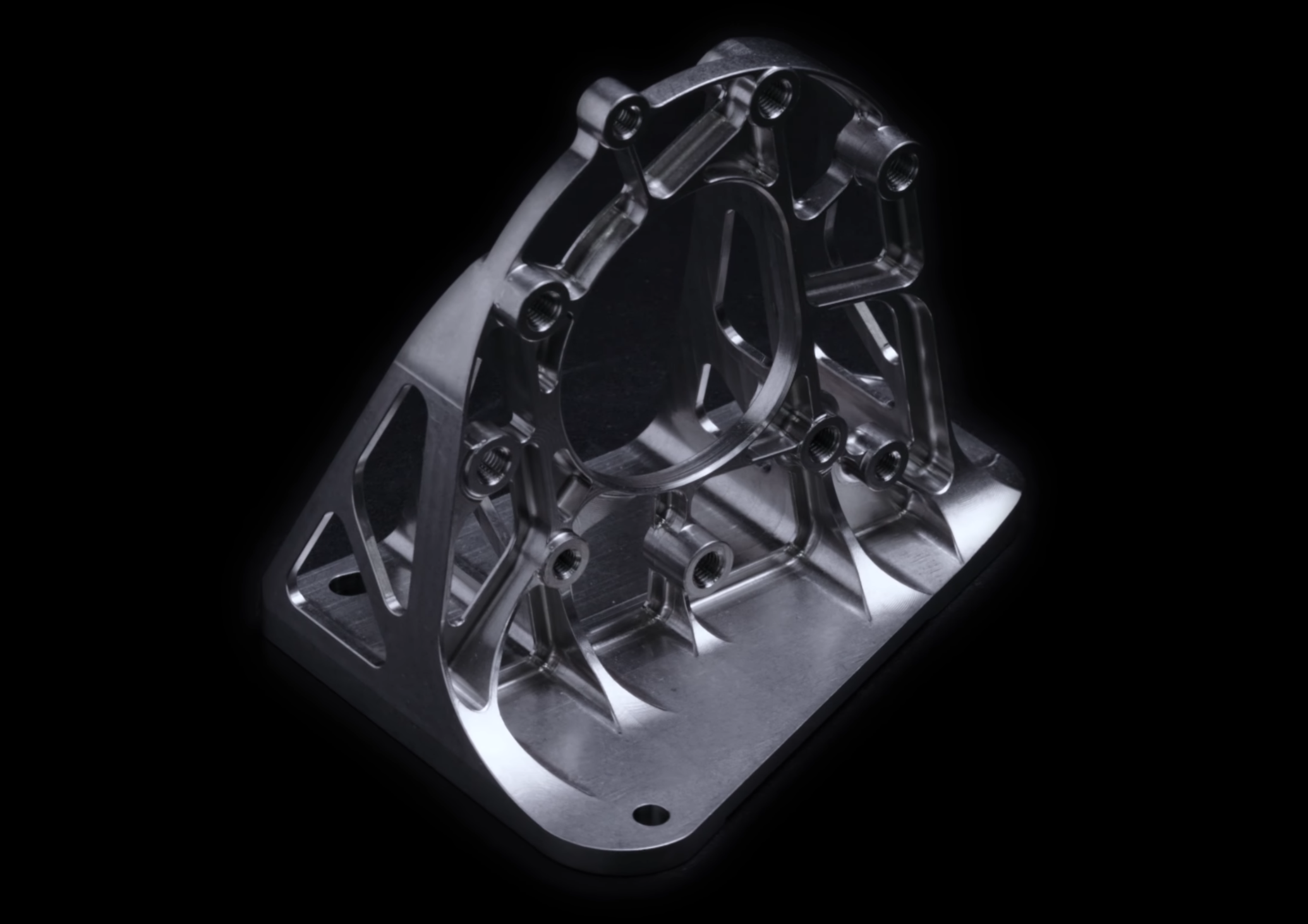
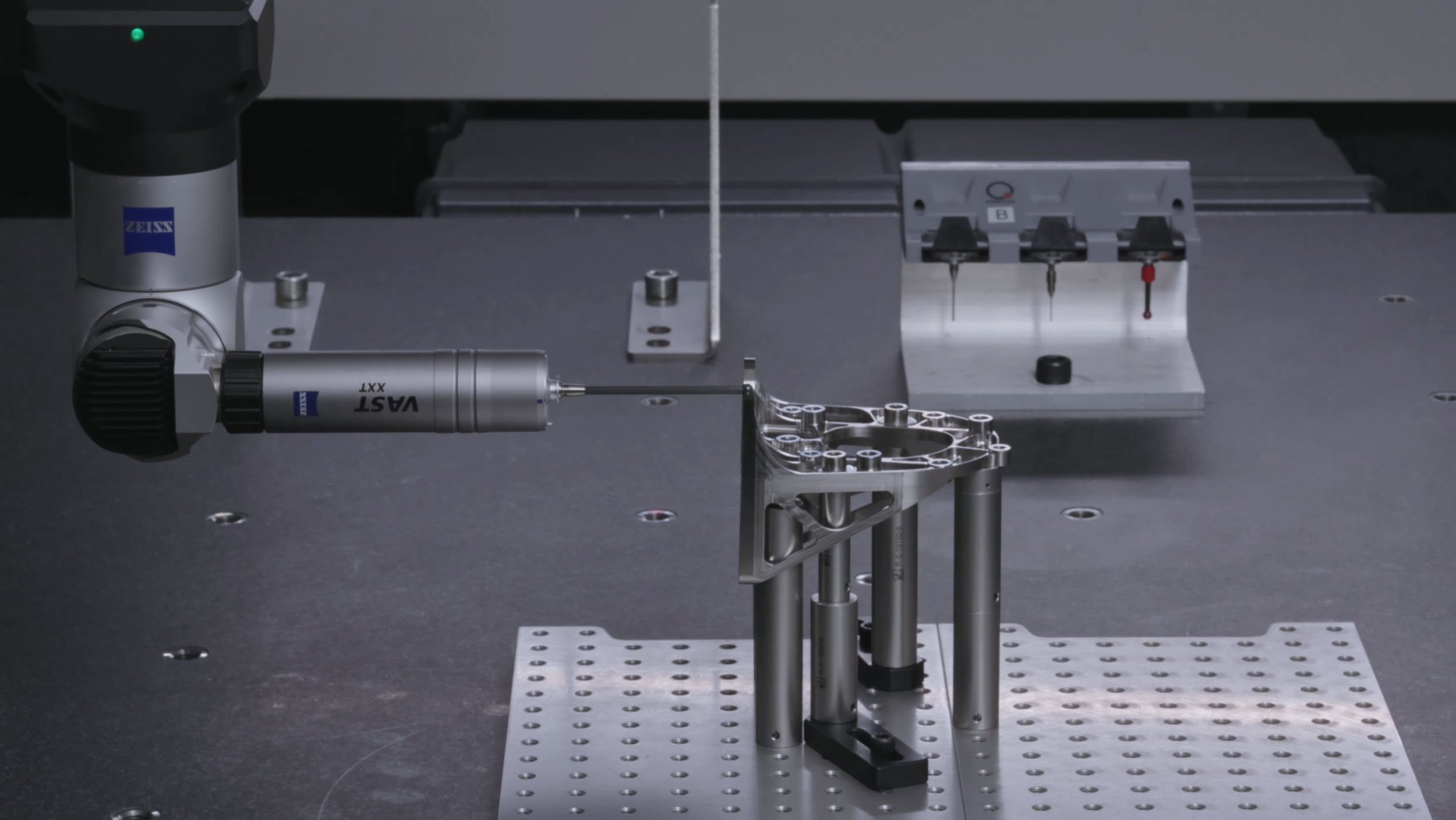
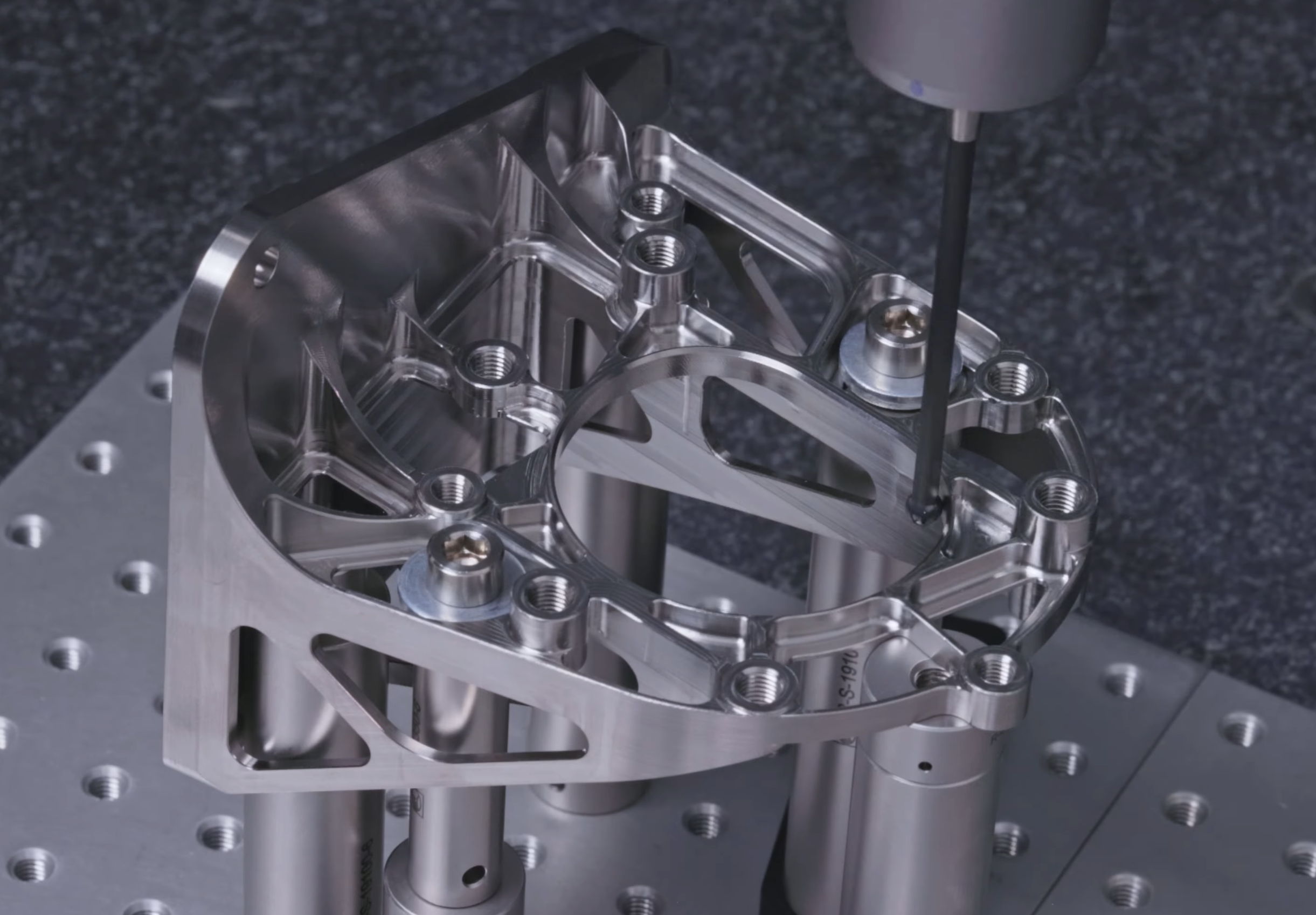
In this video, you can see the titanium Block 2 Star Tracker bracket design, which had to balance competing requirements for stiffness, weight, thermal isolation, thermal conductivity, and precision pointing.